Must-See Exhibitions in Rome in March & April 2026

undefined • February 23, 2026
Must-See Exhibitions in Rome in March & April 2026 | Colosseum Holidays Journal
Colosseum Holidays Journal

Must-See Exhibitions
in Rome
March & April 2026

Spring breathes new life into the Eternal City — and the art world follows. Here is your definitive guide to Rome's most captivating exhibitions this season.

Spring 2026 Rome, Italy 8 min read

When Ancient Walls Become Living Galleries

Rome has always been a city where past and present collide in the most electrifying ways. This spring, that collision is especially vivid: palazzi that have witnessed centuries of history are now hosting some of the most talked-about exhibitions in Europe.

From the intimate beauty of Japanese art at Palazzo Bonaparte to monumental retrospectives at the Capitoline Museums and immersive experiences at the Palazzo delle Esposizioni, March and April 2026 offer a cultural season of extraordinary depth. Whether you are visiting Rome for the first time or returning for the tenth, these exhibitions are unmissable — and we have gathered everything you need to plan your visit.

Interior of a grand Italian palazzo with gilded ceilings and art on the walls

Palazzo Bonaparte

Hokusai · Hiroshige · Utamaro: Masters of Japanese Art

 – 
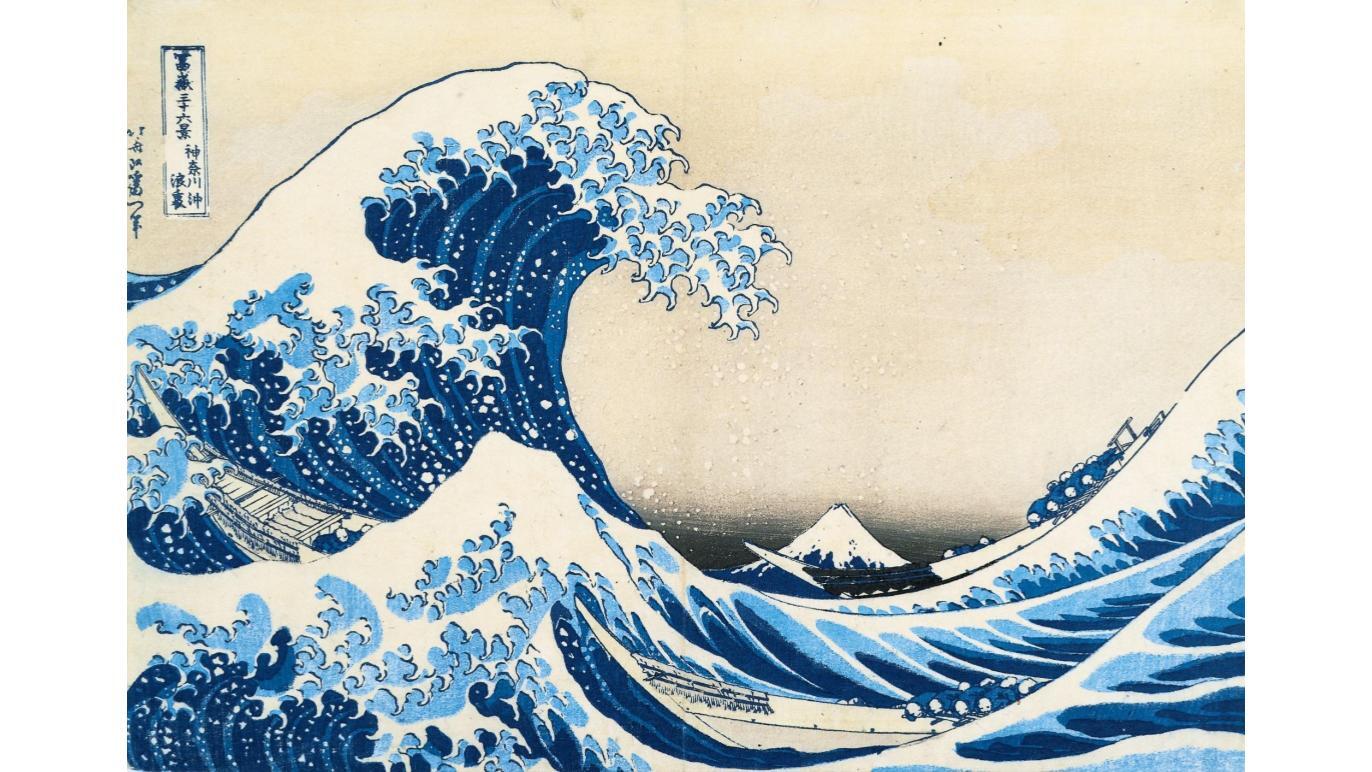
Japanese woodblock print artwork inspired by Hokusai's The Great Wave

Nestled on Piazza Venezia in the shadow of the Altare della Patria, the magnificent Palazzo Bonaparte — once home to Napoleon's mother Letizia — is hosting one of the most anticipated cultural events of the Roman spring: a breathtaking survey of three titans of Japanese printmaking.

The exhibition brings together over 200 original works by Katsushika Hokusai, Utagawa Hiroshige, and Kitagawa Utamaro, drawn from prestigious private and institutional collections around the world. Visitors are guided through the poetic landscapes, dramatic seascapes, and tender portraits that made the ukiyo-e tradition one of the most influential art movements in history — and a key inspiration for Impressionists from Monet to Van Gogh.

What makes this exhibition particularly special is its setting. The baroque interiors of Palazzo Bonaparte, with their gilded ceilings and dramatic light, create a sensational counterpoint to the serene precision of Japanese woodblock art. This dialogue between East and West, baroque and zen, feels entirely unique to Rome.

🌊

Did you know? Hokusai's iconic The Great Wave off Kanagawa was never considered a masterpiece during his lifetime. It was only after European artists — particularly the French Impressionists — began collecting Japanese prints that the West recognised its genius. Today it is arguably the most reproduced artwork in history.

✦ Highlights of the Exhibition

  • The complete series of Thirty-six Views of Mount Fuji by Hokusai
  • Hiroshige's celebrated One Hundred Famous Views of Edo
  • Utamaro's exquisite bijin-ga (portraits of beautiful women)
  • Rare first-edition prints from European museum collections
  • An immersive multimedia section recreating Edo-period Japan
Piazza Venezia 5, Rome
Mon–Fri 9:00–19:30
Sat–Sun 9:00–21:00
From €15
Reduced from €13
Approx. 90 min
Book Your Tickets

Musei Capitolini

Caravaggio: Light, Shadow & the Birth of Modern Painting

 – 

Dramatic chiaroscuro painting in the style of Caravaggio with deep shadows and light

The Capitoline Museums — perched atop the Capitoline Hill in the very heart of ancient Rome and designed by none other than Michelangelo — are dedicating this spring to the revolutionary genius of Michelangelo Merisi da Caravaggio. This landmark retrospective traces how a young, tempestuous painter from Milan arrived in Rome in 1592 and completely reinvented Western art.

The exhibition draws on loans from the Vatican Museums, the Borghese Gallery, the Uffizi, the National Gallery of London, and the Louvre, presenting a once-in-a-generation concentration of Caravaggio's greatest works in the city where he created most of them. Rome is, in every sense, the home of Caravaggio's genius — and this exhibition makes that relationship vivid and undeniable.

Special late-night openings every Friday and Saturday allow visitors to experience Caravaggio's paintings under dramatically reduced, candlelit conditions — recreating something close to the way his 17th-century patrons first encountered them.

🕯️

Fascinating fact: Caravaggio used real people from Roman street life — beggars, prostitutes, innkeepers — as models for his sacred paintings. This was scandalous at the time. One cardinal reportedly rejected a painting of the Virgin Mary because Caravaggio had modelled her on a woman who had drowned in the Tiber.

✦ Highlights of the Exhibition

  • The Calling of Saint Matthew — on special loan from San Luigi dei Francesi
  • Early works from his Milanese period never before shown in Rome
  • His self-portrait as Bacchus, on loan from the Uffizi, Florence
  • Friday & Saturday candlelit evening openings (booking essential)
  • An interactive room exploring his revolutionary use of chiaroscuro
Piazza del Campidoglio 1, Rome
Tue–Sun 9:30–19:30
Fri–Sat until 22:00
From €16
Evening from €20
Approx. 2 hours
Book Your Tickets

Palazzo delle Esposizioni

Klimt & the Vienna Secession: Gold, Desire, Modernity

 – 

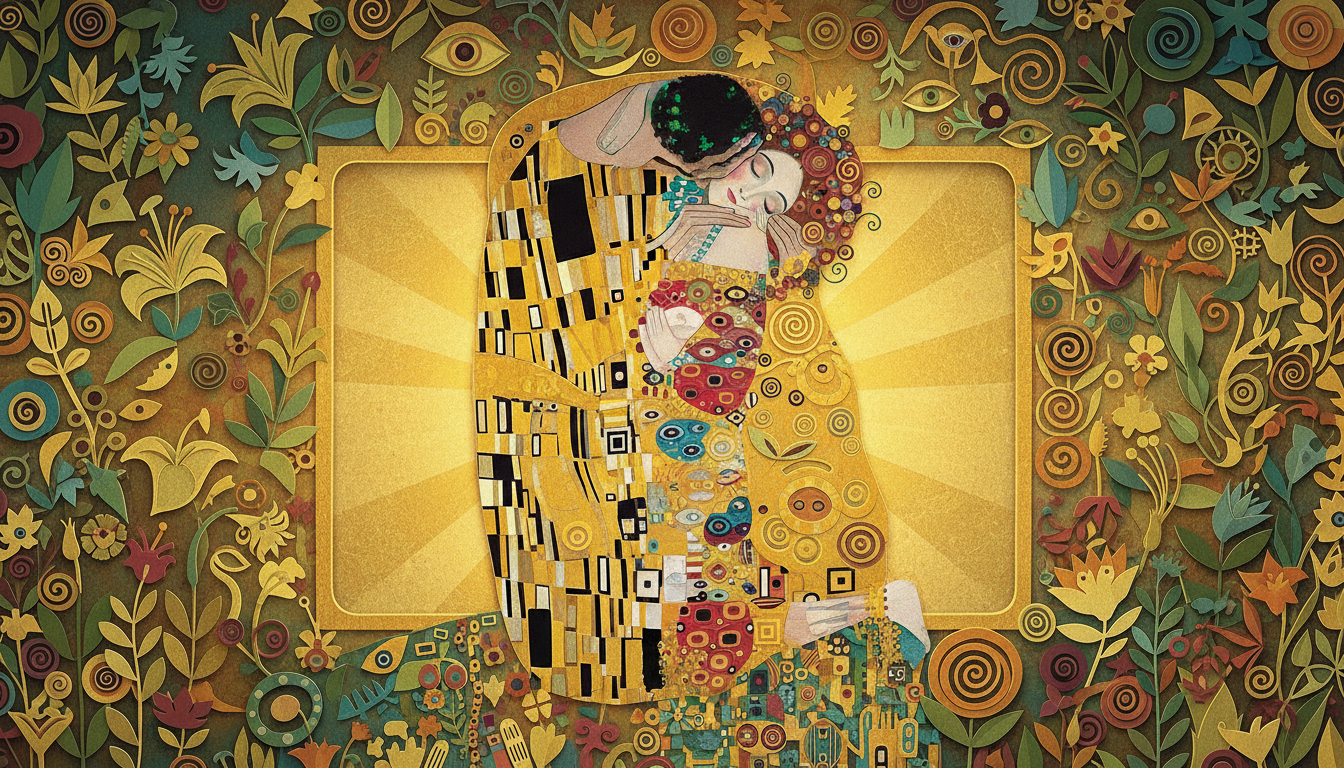
Ornate golden decorative patterns reminiscent of Klimt's decorative style

The grand Palazzo delle Esposizioni on Via Nazionale — Rome's most prestigious public exhibition space — is dedicating its main galleries to the Vienna Secession and its most celebrated figure, Gustav Klimt. This is the most comprehensive exhibition of Klimt's work ever mounted in Italy, and it arrives in Rome at a moment of renewed fascination with his golden, sensuous aesthetic.

The show features over 180 works — paintings, drawings, photographs, posters, and applied arts — tracing the movement from its 1897 founding manifesto to its influence on fashion, design, and contemporary art. At its heart are six major paintings by Klimt himself, including studies for the Beethoven Frieze , on loan from the Österreichische Galerie Belvedere in Vienna.

A particularly beautiful section of the exhibition explores Klimt's friendship with Emilie Flöge, the fashion designer he loved for 27 years, and the remarkable way in which their aesthetic sensibilities intertwined — producing garments and paintings that feel as radical today as they did in 1900.

Curiosity: Klimt's famous use of real gold leaf was not mere decoration — it was a deliberate reference to Byzantine mosaics, which he had studied in Ravenna in 1903. In Rome, where Byzantine and classical art are part of the urban fabric, this connection feels especially resonant.

✦ Highlights of the Exhibition

  • Studies for the Beethoven Frieze , on loan from Vienna
  • Original Secessionist posters — masterpieces of early graphic design
  • The fashion designs of Emilie Flöge, shown alongside Klimt's paintings
  • A recreation of the 1902 Vienna Secession exhibition room
  • Works by Egon Schiele and Oskar Kokoschka in dialogue with Klimt
Via Nazionale 194, Rome
Tue–Sun 10:00–20:00
Thu until 22:30
From €15
Under 26: €10
Approx. 2 hours
Book Your Tickets

Galleria Borghese

Bernini & the Baroque: Sculpting the Divine

 – 

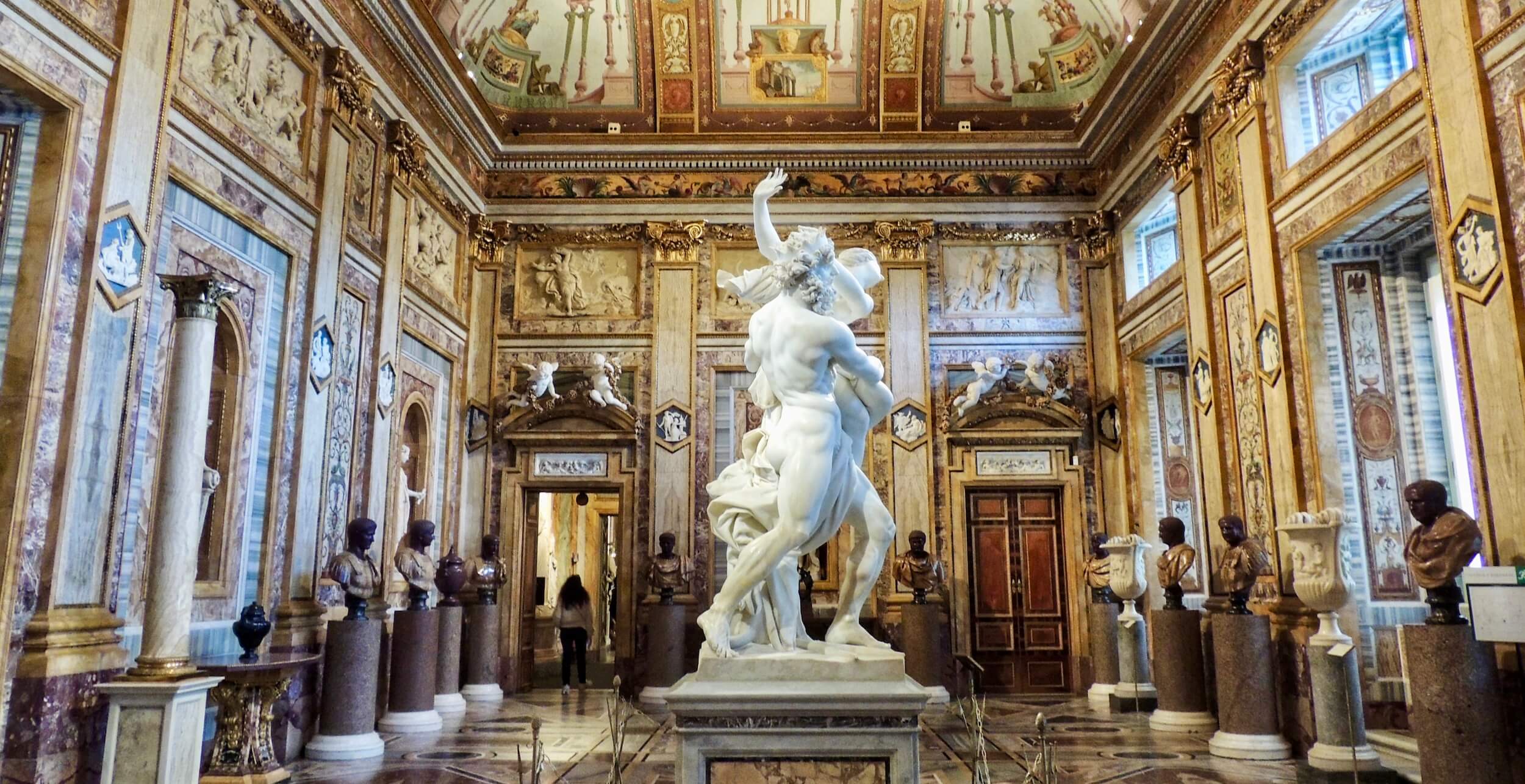
Detail of a baroque marble sculpture showing the virtuosity of stone carving

The Galleria Borghese — one of the world's great art museums, set in a jewel-like villa inside Villa Borghese park — requires no introduction. But this spring it outdoes itself with a focused exhibition dedicated to Gian Lorenzo Bernini, the sculptor, architect, and urban visionary who shaped Rome more profoundly than almost any individual before or since.

The exhibition reunites, for the first time, all five of the great marble groups Bernini carved in his twenties for Cardinal Scipione Borghese — works of such technical audacity and psychological intensity that contemporaries literally refused to believe a human hand had made them. Alongside these permanent masterpieces, the Borghese is displaying a series of rarely seen terracotta studies, architectural drawings, and private correspondence that reveal Bernini's creative process in extraordinary detail.

🪨

Did you know? When Bernini carved Apollo and Daphne , he was just 23 years old. The marble laurel leaves — paper-thin and seemingly alive — are so technically impossible that even today's master carvers regard them with astonishment. Bernini reputedly said he did not carve marble; he simply removed the stone that was not Daphne.

✦ Highlights of the Exhibition

  • Apollo and Daphne , The Rape of Proserpina , David — in the same rooms
  • Unseen terracotta sketches from private European collections
  • Architectural models for St Peter's Square colonnade
  • A new scholarly catalogue with essays from leading Baroque specialists
  • Private morning visits available before public opening
Piazzale Scipione Borghese 5, Rome
Tue–Sun 9:00–19:00
Entry by timed slot
From €20
Booking mandatory
Exactly 2 hours
(timed visits)
Book Your Timed Entry

MAXXI – National Museum of 21st Century Arts

Future Memories: Italian Art from 2000 to Today

 – 

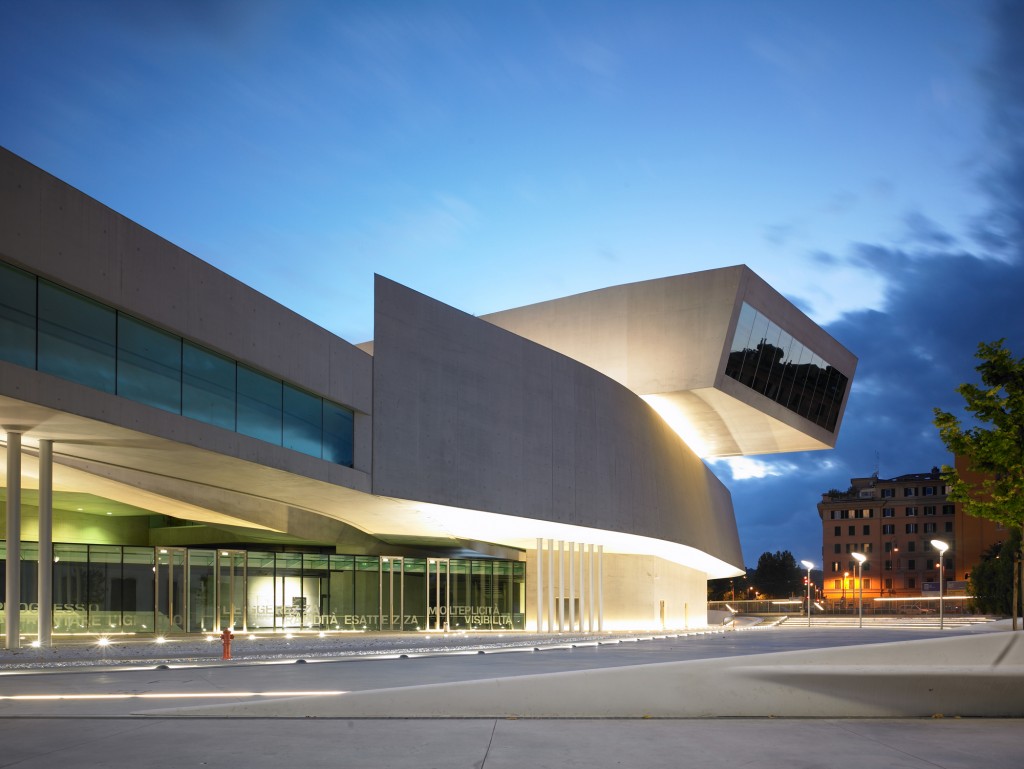
Modern art installation with light and digital elements in a contemporary museum space

Designed by the late, great Zaha Hadid and opened in 2010, MAXXI is itself a work of art — its swooping concrete interiors and fluid circulation routes making it one of the most exciting buildings in contemporary Rome. This spring, its permanent collection is augmented by a major thematic exhibition charting the richest 25 years in Italian contemporary art.

The show features over 130 works by 60 artists, from early-millennium painting and sculpture to the digital installations, video art, and urban interventions that define the current Italian scene. It is, in many ways, a coming-of-age story for a generation of Italian artists who emerged after the end of the Cold War and before the rise of social media — and whose work now stands at a remarkable crossroads.

For visitors more accustomed to Rome's ancient and Renaissance glories, MAXXI offers a genuinely thrilling alternative perspective: proof that Italy's creative life is as vital and provocative as it has ever been.

🏛️

Architecture note: Zaha Hadid's MAXXI building took over a decade to complete and is built on the site of a former military barracks. Its concrete shell was poured in a single continuous form — a technical feat that even its engineers considered almost impossible. Visiting MAXXI is an architectural experience as much as an artistic one.

✦ Highlights of the Exhibition

  • Major installations by Maurizio Cattelan and Vanessa Beecroft
  • A new commission specifically created for MAXXI's largest gallery
  • Rare early video works from the Italian Arte Povera tradition
  • A programme of artist talks and live performances throughout April
  • The MAXXI building itself — a masterpiece of 21st-century architecture
Via Guido Reni 4A, Rome
Tue–Sun 11:00–19:00
Sat until 22:00
From €14
Free under 14
Approx. 2–3 hours
Book Your Tickets

Scuderie del Quirinale

Raphael & Rome: The Eternal Dialogue

 – 

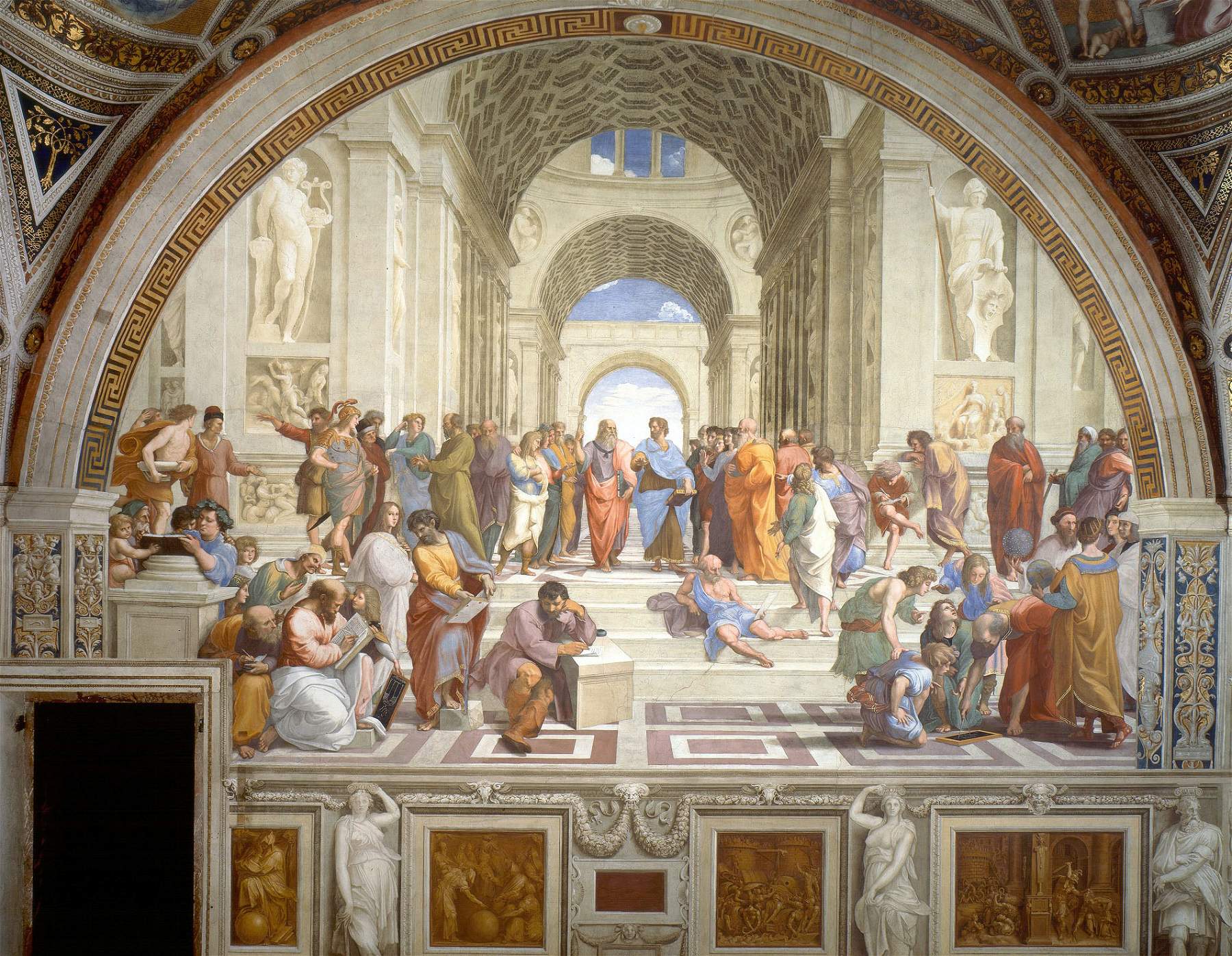
Detail of a Renaissance fresco with classical figures in soft pastel tones

The Scuderie del Quirinale — the former papal stables opposite the Presidential Palace on the Quirinal Hill — has long been Rome's home for blockbuster art exhibitions. This spring it turns to Raphael Sanzio, one of the three great figures of the High Renaissance, with an exhibition dedicated to his relationship with Rome: the city that was his laboratory, his patron, and ultimately his tomb.

Raphael arrived in Rome in 1508, summoned by Pope Julius II to decorate the Vatican Stanze. He was 25. By the time he died 12 years later, he had transformed the visual language of Western art — and Rome would never look the same again. This exhibition, organised in partnership with the Vatican Museums and the Royal Collection Trust, traces that transformation through paintings, drawings, architectural plans, and letters.

🎨

Fascinating fact: Raphael died on his 37th birthday — 6 April 1520. Contemporaries reported that Rome fell into public mourning and that the Vatican itself began to crack as if in sympathy. In an age of great artists, he was considered the most graceful and civilised of all. His funeral was attended by virtually the entire artistic and intellectual community of Rome.

✦ Highlights of the Exhibition

  • Rare preparatory drawings for the Vatican Stanze, on loan from Windsor Castle
  • Raphael's architectural designs for St Peter's Basilica
  • His celebrated portrait of Pope Leo X — on loan from the Uffizi
  • A digital reconstruction of his lost Villa Madama in Rome
  • Special opening on 6 April (anniversary of his death)
Via XXIV Maggio 16, Rome
Mon–Sun 10:00–20:00
Fri–Sat until 22:30
From €15
Combined tickets available
Approx. 90 min
Book Your Tickets

Your Perfect Base for Rome's Spring Season

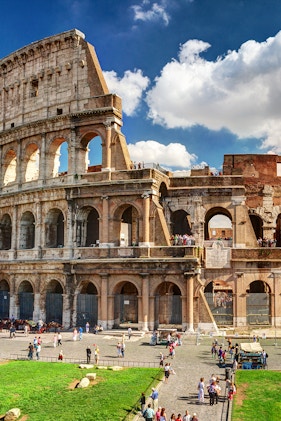
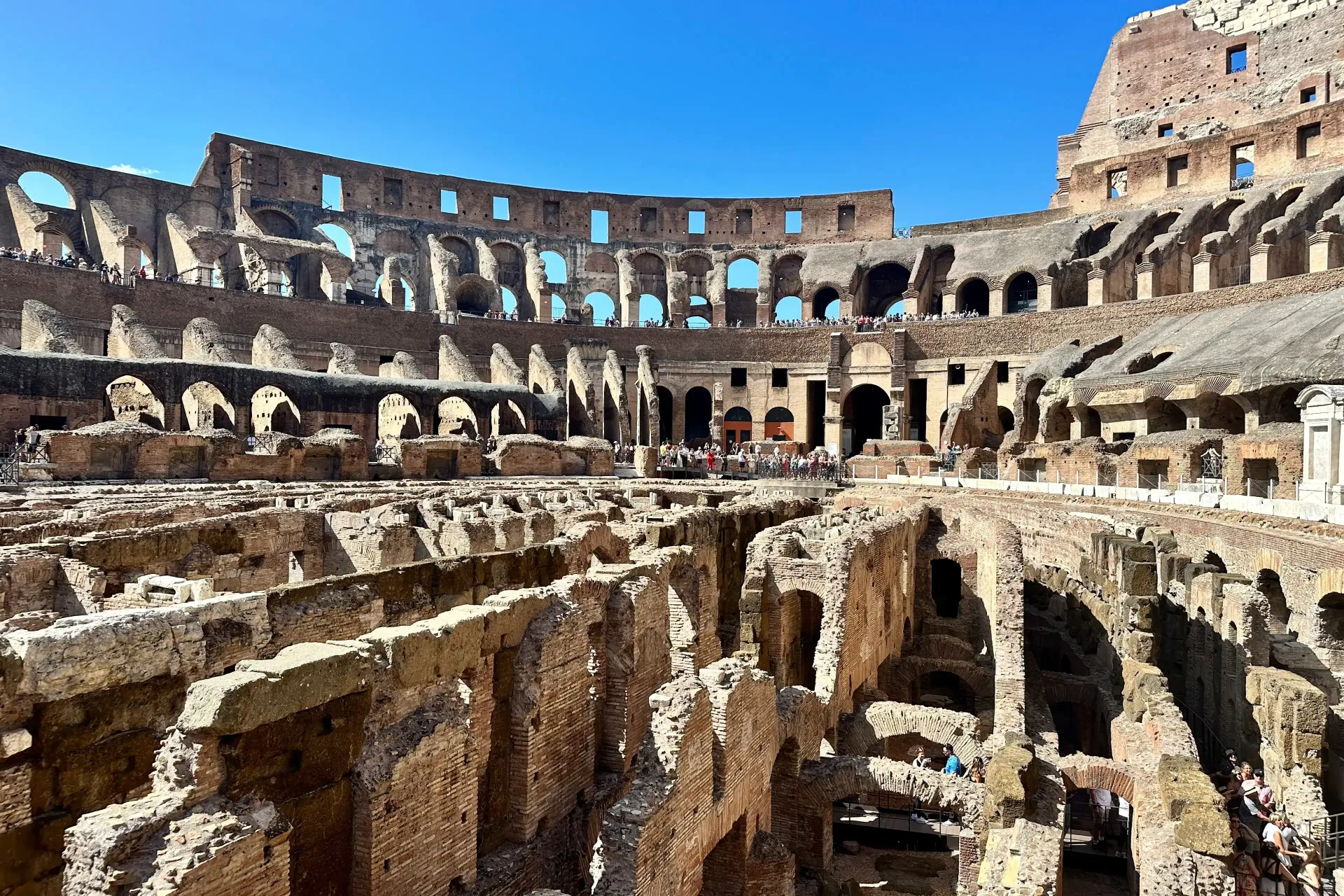
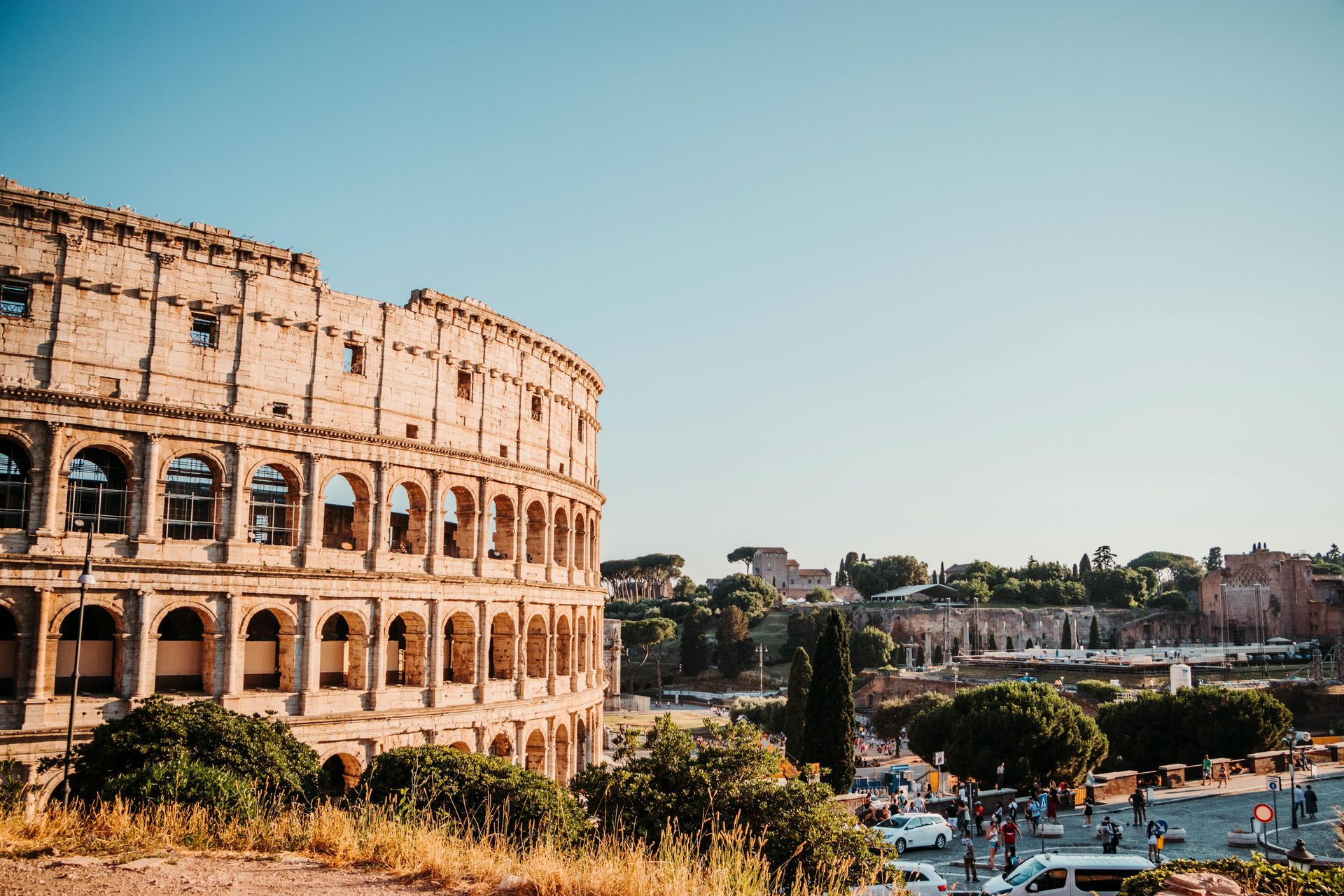
All these exhibitions are within easy reach of our handpicked apartments in the historic centre. Wake up steps from the Colosseum, explore Rome at your own pace, and return home to a beautiful space that feels entirely your own.

Browse Our Apartments
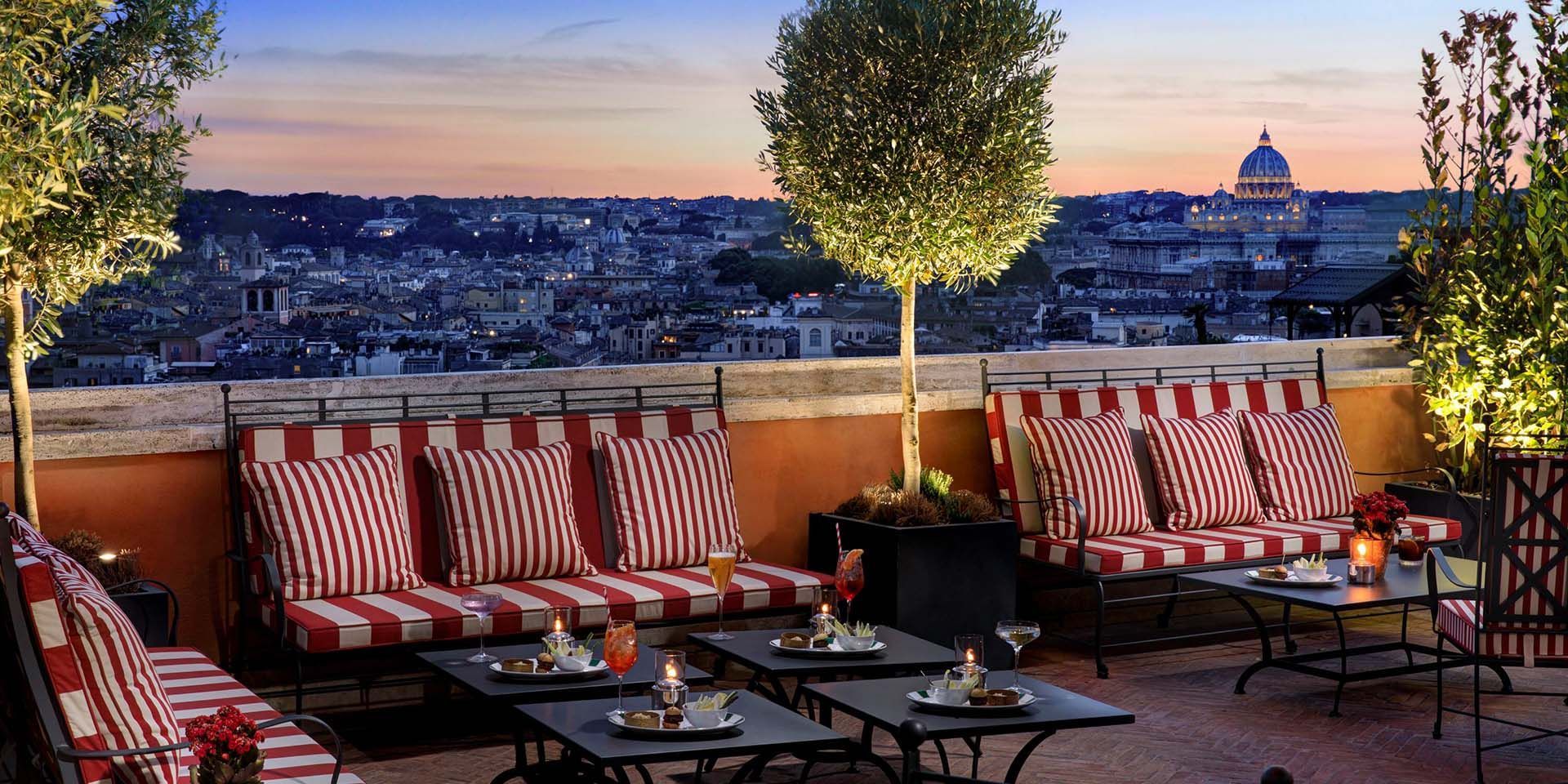
Rome rooftop terrace view with the Colosseum in the background

© 2026 Colosseum Holidays · Holiday Apartments in Rome · Journal · Contact

Note: Exhibition dates and ticket prices are subject to change. Please verify with the official venue websites before visiting.

By undefined February 23, 2026
By undefined February 22, 2026
More Posts